Die Brücke: The Birth of Modern Art in Germany

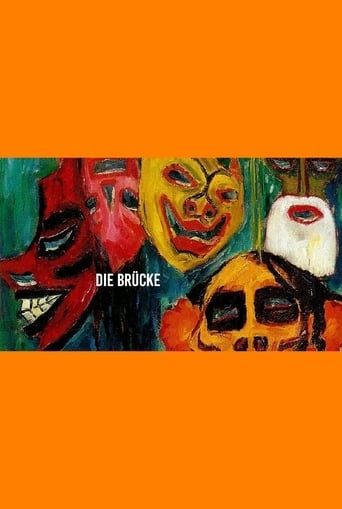
This movement marks the beginning of modern art in Germany. It is the German equivalent of French Fauvism, from which it draws its main inspiration, but it carries an Expressionist and social emphasis that is characteristic of Nordic 'angst.' The artists of Die Brucke were restless creatures, over-sensitive, haunted by religious, sexual, political or moral obsessions. Dramatic landscapes and nudes, mystical and visionary compositions, scenes of the countryside, the streets, the circus, the cafe-dansants and the demi-monde were their principal subjects. Their pure colours blaze in acid stridency, encompassed by rough, dry contours which show the influence of African art and primitive woodcuts. The work of the following is shown: Kirchner, Fritz Bleyl, Erich Heckel, Schmidt-Rottluff, Otto Muller, Emil Nolde and Max Pechstein.
Release date : 1972-01-01
Production country :
Germany
Production company :
Durasi : 24 Min.
Popularity : 1
0.00
Total Vote : 0
Advantages of movie
Almost all films carry messages about love, struggle, justice, hope, or humanity that can inspire the audience.
movie Shortcomings
There are films that are too slow at the beginning and too fast at the end — or vice versa — making the audience easily bored or confused.
Related Movies
Movies

Liu Xiaodong: Hometown Boy
2011
8.00

Movies
Paco Roca: dibujando la vida
2023
6.00
Movies

Under the Weight of a Waking Dream
2025
8.00
Movies
Displaced Perssons
2013
7.00
Movies
Survival in Berlin-Neukölln
2017
2.00
Movies
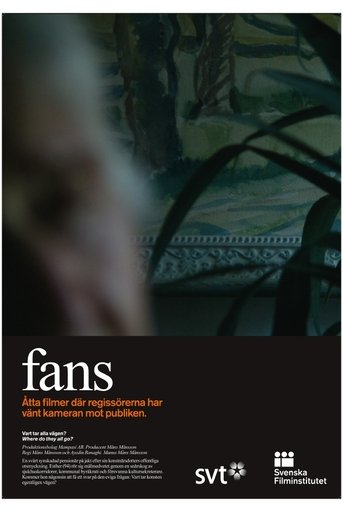
Where do they all go?
2015
1