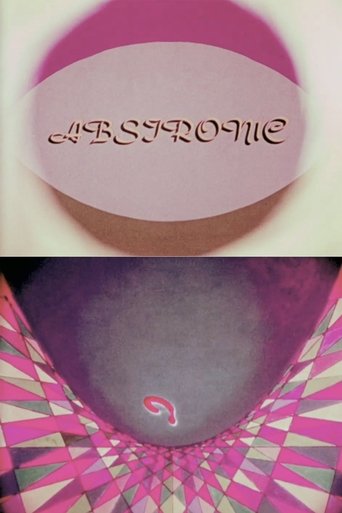
A pioneer of visual music and electronic art, Mary Ellen Bute produced over a dozen short abstract animations between the 1930s and the 1950s. Set to classical music by the likes of Bach, Saint-Saëns, and Shoshtakovich, and replete with rapidly mutating geometries, Bute’s filmmaking is at once formally rigorous and energetically high-spirited, like a marriage of high modernism and Merrie Melodies. In the late 1940s, Lewis Jacobs observed that Bute’s films were “composed upon mathematical formulae depicting in ever-changing lights and shadows, growing lines and forms, deepening colors and tones, the tumbling, racing impressions evoked by the musical accompaniment.” Bute herself wrote that she sought to “bring to the eyes a combination of visual forms unfolding along with the thematic development and rhythmic cadences of music.”
Release date : 1952-07-01
Production country :
United States of America
Production company :
Ted Nemeth Studio
Durasi : 6 Min.
Popularity : 0
6.60
Total Vote : 8
Advantages of movie
Almost all films carry messages about love, struggle, justice, hope, or humanity that can inspire the audience.
movie Shortcomings
There are films that are too slow at the beginning and too fast at the end — or vice versa — making the audience easily bored or confused.
Related Movies
Movies


Drawn Closer
2021
7.00
Movies
Miracles in the Sieve
1978
1.00
Movies
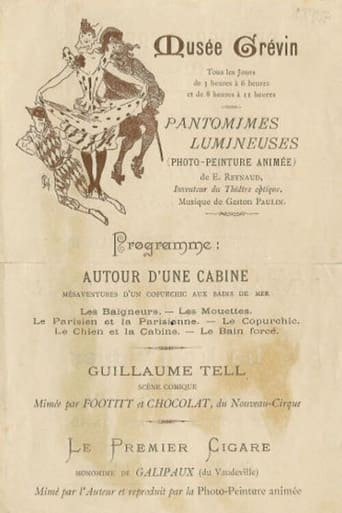
Le premier cigare
1897
4.50
Movies
Cassini's Grand Finale
2017
7.50

Movies

Sirenetta’s Family Dinner
2019
1
Movies
Motor Tour
1982
6.00
Movies
Essay on Grandfather
1987
6.00
Movies
I Want Pluto to Be a Planet Again
2016
7.50

Movies
The Buffalo Boy and His Flute
1963
7.00
Movies

The Colour Wheel Session
2022
1
Movies
Alice in Not So Wonderland
2007
5.70